
Skip to the program

Non-degree course50 hourslive online in Portuguesestarts October 5

REDReal EstateDevelopment

Real Estate Development:urban vocation, architecture and financial structure, integrated

Is redoing a development already under way an exception, or a symptom of fragmented decision-making?

A systemic reading of the development, from site to capital, guided by data at every decision.

Module 01

20h / from Oct 5

Vocation & Branding

What does this place reveal about its identity?

Urban vocation and branding. From reading the site to defining the product.

Module 02

20h / from Nov 9

Architecture for Real Estate Development

From the design process to the financial return, what determines whether a development is feasible?

Design process, architecture and feasibility. From method to numbers.

Module 03

10h / from Dec 7

Funding

What financial structure suits each development?

Capital structuring for real estate development and for land subdivision.

Real Estate Development: urban vocation, architecture and financial structure, integrated

// Skills

By the end,
you will be ready to decide.

Five concrete skills developed throughout the program.

01

Identify what the site calls for

Leave with a method for urban vocation studies, to ground real estate product decisions.

02

Translate the product into identity

Leave with a method to build the identity and the communication strategy of a development.

03

Make the process repeatable

Leave with a map of the macro-stages of your process, with an owner and a deliverable defined for each.

04

Treat feasibility as input data

Leave knowing how to design with feasibility as part of the method, instead of a later adjustment.

05

Recognize the routes to capital

Leave knowing how to assess the financial feasibility of a real estate development.

// Who will teach you

Learn from the people who do real estate development in practice.

Each subject is taught by someone who works in it: urban consulting, design, development, capital structuring.

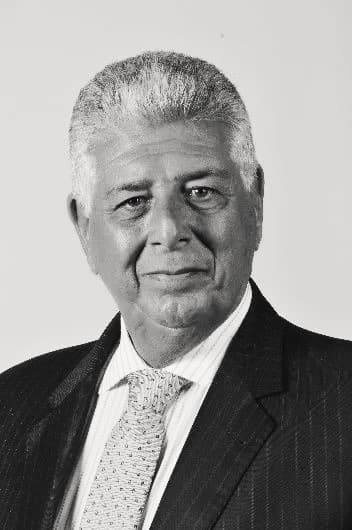
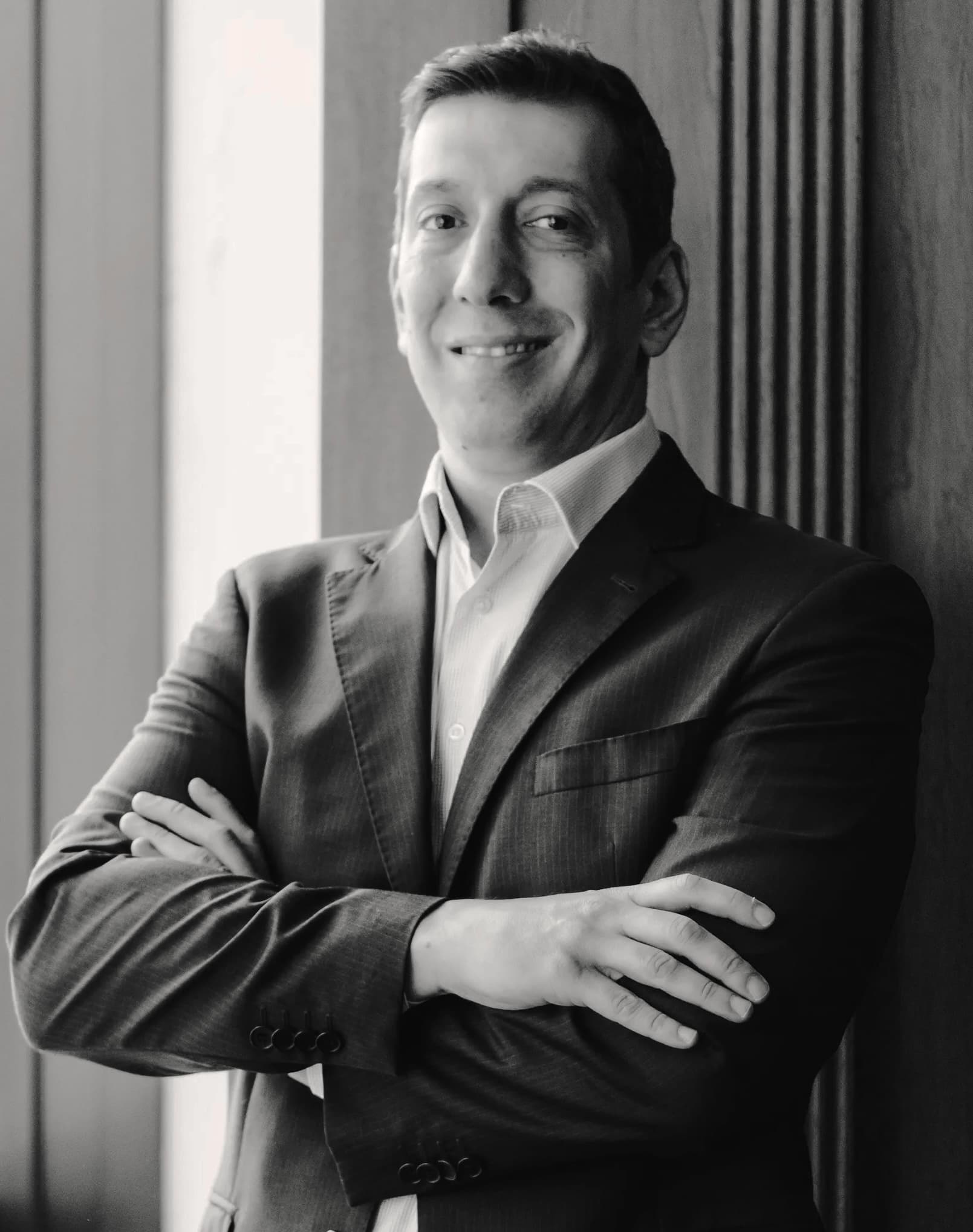
Caio Calfat

Caio Calfat

Caio Calfat Real Estate

Real Estate Market, Tourism

President of Caio Calfat Real Estate Consulting.

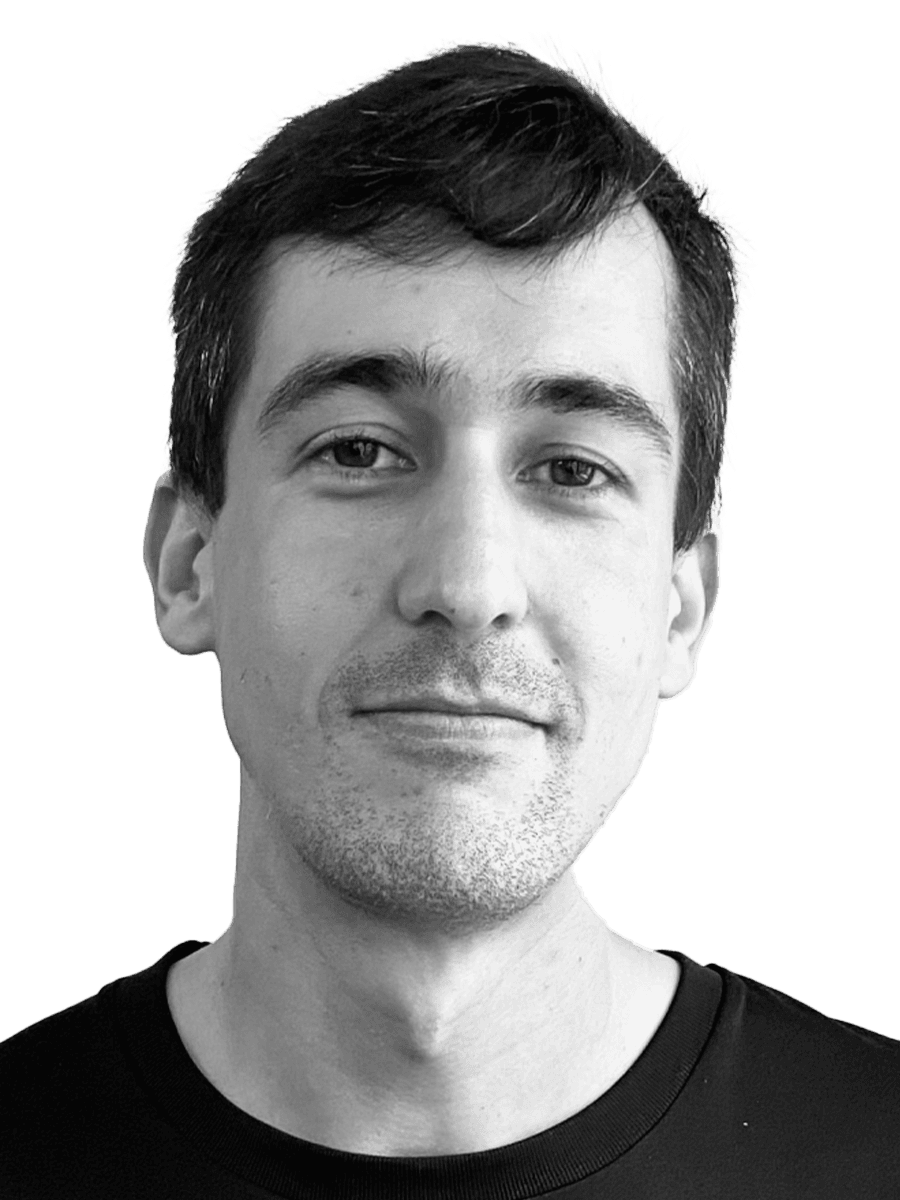
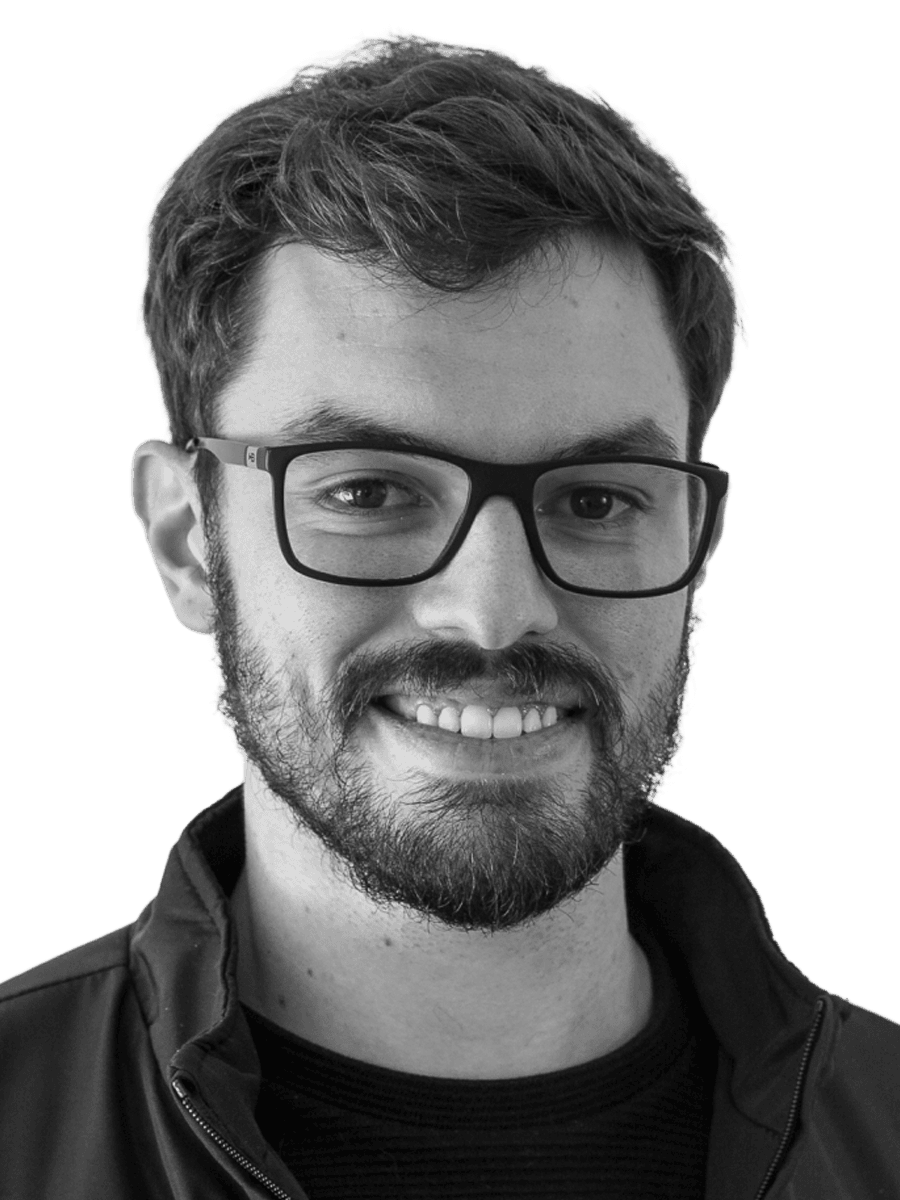
Guilherme Dalcin

Guilherme Dalcin

Responsive Cities Institute

Data Science

Data scientist at the Responsive Cities Institute.

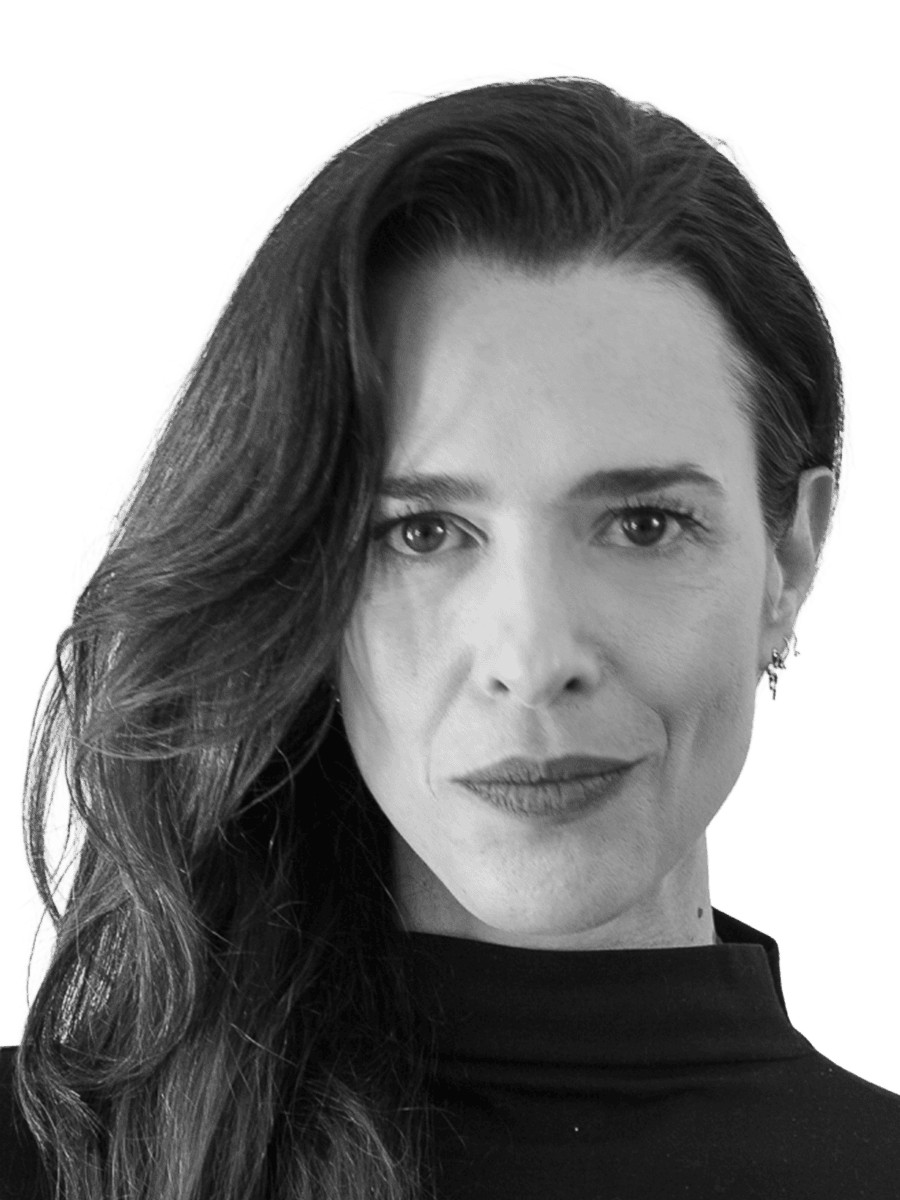
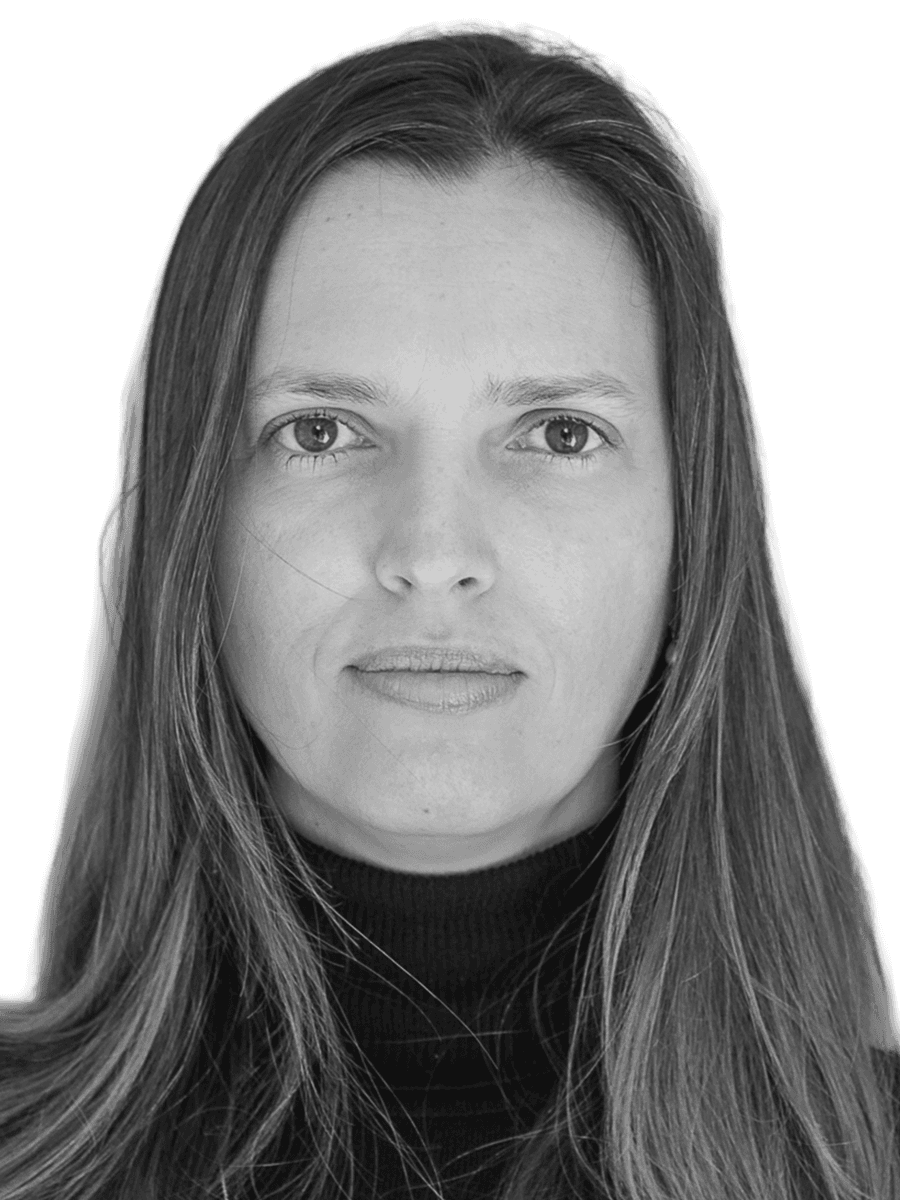
Luciana Fonseca

Luciana Fonseca

Responsive Cities Institute

Urban Planning

Founder and Director of the Responsive Cities Institute. PhD in Urban Planning.

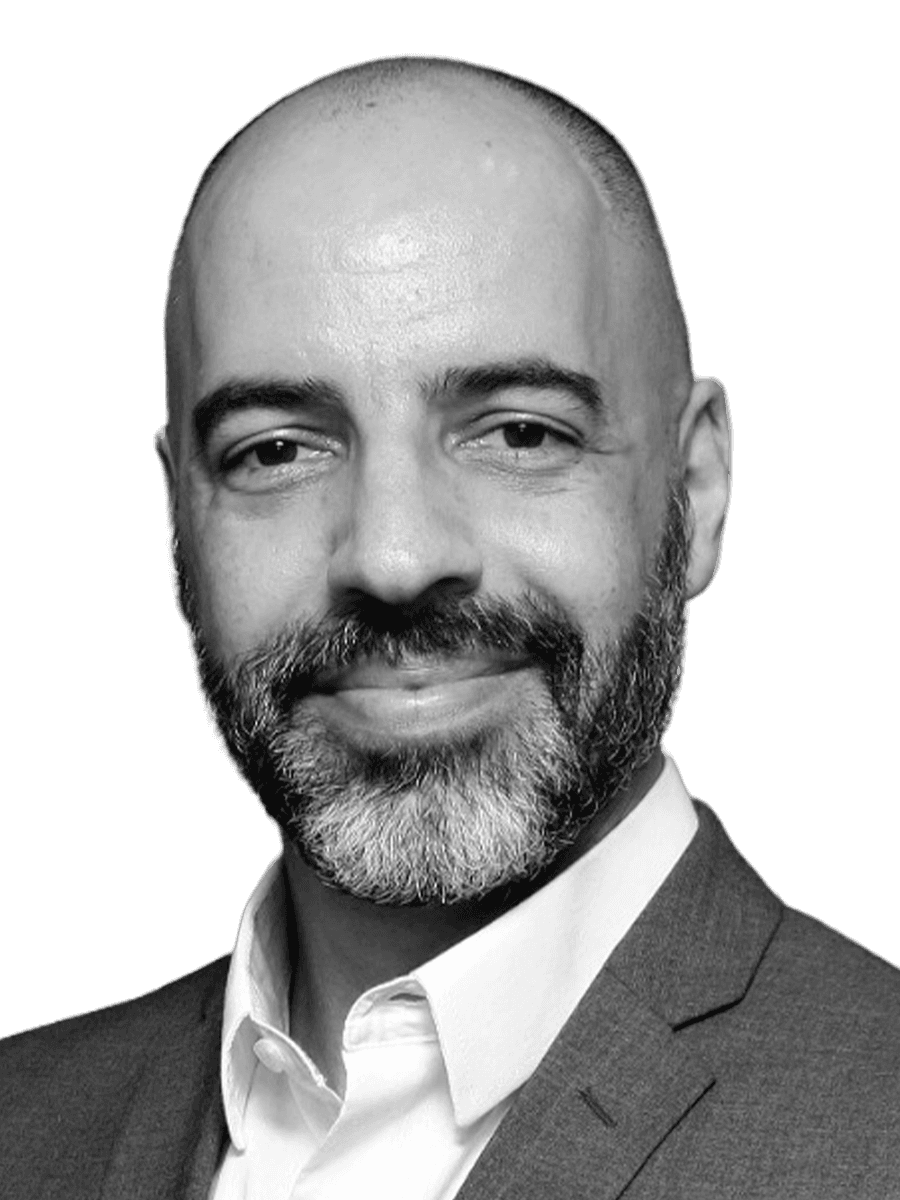
Rodrigo Rodembusch

Rodrigo Rodembusch

Communication

PhD in Communication Sciences.

Carolina Souza Pinto

Carolina Souza Pinto

OSPA Architecture

Management, Design Process

Founding partner of OSPA Architecture.

Rodrigo Rocha

Rodrigo Rocha

URBE.ME

Architecture, Real Estate Development

COO of URBE.ME, Architect and Urban Planner.

Rodrigo Milani

Rodrigo Milani

OSPA

Architecture, Real Estate Development

Business manager at OSPA, Architect and Urban Planner.

Aroldo Braga

Aroldo Braga

Real Estate Funds

Real estate fund management.

Giuliano Tognetti

Giuliano Tognetti

Real Estate Market, Land Subdivision

Real estate market and land subdivision.

Henrique Heckler

Henrique Heckler

Technology, Urban Development

Technology, innovation and urban development.

Levi Coelho

Levi Coelho

Real Estate Market, Real Estate Development

Real estate market and real estate development.

Miguel Dias

Miguel Dias

Finance, Financial Structuring

Specialist in financial structuring.

Renato Gama

Renato Gama

Real Estate Investment

Specialist in real estate investment.

Faculty subject to change. Replacements are communicated to enrolled students.

How it works

What to expect from the course.

RED · Real Estate Development · 2026

  1. 01Vocation & Branding20h
    • Urban Vocation10h
    • Branding and Communication for the Real Estate Market10h
  2. 02Architecture for Real Estate Development20h
    • Design Process in Architecture and Urbanism10h
    • Architecture and Feasibility of Real Estate Projects10h
  3. 03Funding10h
    • Funding and Finance for Real Estate Development10h
StartOct 5TimeMon and Wed, 7:00 to 9:30 pm · Sat Nov 28, 9:00 to 11:30 am (Brasília time)FormatLive online

Scale

Hours
50h
Modules
3
Sessions
20
Weeks
11

Method

Classes
Live
Recording
Each session
Certificate
Non-degree course

Timeline

Oct 5 → Dec 16

OctNovDec
  • 01Vocation & Branding
  • 02Architecture for Real Estate Development
  • 03
    Funding
5 subjects · 3 modules50h · 20 sessionsLive online

Format

Live online, with a recording available after each session. Classes are taught in Portuguese.

Schedule

Mondays and Wednesdays, 7:00 to 9:30 pm, and Saturday, Nov 28, 9:00 to 11:30 am (Brasília time).

Certificate

Non-degree course certificate issued by the Responsive Cities Institute.

Program

Three modules, five 10-hour subjects, in the order in which decisions happen. Each module has its own enrollment.

01
20h · 8 sessions · Oct 5 to Nov 4

Vocation & Branding

Urban vocation and branding. From reading the site to defining the product.

Subject / 10 hours · 4 sessions

Urban Vocation

An urban vocation study is the stage that identifies what a site already calls for, before program, product and price are defined. It combines socioeconomic analysis, market behavior and field validation, and it reduces the chance of getting the product right and the location wrong.

When it takes place7:00 to 9:30 pm (Brasília time)
  1. Urban vocation study: socioeconomic, qualitative, market and spatial approaches
  2. Market behavior analysis
  3. Tourism real estate developments: trajectory and trends
  4. Studio: urban vocation study in practice
What you will learn
  • Conduct an urban vocation study with a socioeconomic and qualitative approach.
  • Break the price of a property down into measurable attributes, using hedonic pricing models and multiple regression.
  • Combine Census data, the PNAD household survey, ITBI property transfer records, listings and rental platforms into a single diagnosis.
  • Recognize the programmatic arrangement of specialized products: condo-hotels, timeshare (multipropriedade), senior living, short-term rentals.
Subject / 10 hours · 4 sessions

Branding and Communication for the Real Estate Market

Branding here is less about aesthetics than about the identity that makes a development legible to the right audience. The subject covers the brand platform, the identity of the development and the communication strategy, and teaches how to read an ad element by element. The car in the rendering, the absence of a price and the name chosen already say who the property was made for.

When it takes place7:00 to 9:30 pm (Brasília time)
  1. Fundamentals, strategy and identity
  2. Advanced branding and strategic communication
  3. Fundamentals of storytelling for the real estate market
  4. Advanced storytelling: from the hero's journey to storydoing
What you will learn
  • Build the brand book of a development, from the brand platform to governance.
  • Diagnose which of the three waves of branding a developer, a product or a city operates in today.
  • Read a real estate ad technically, element by element, and name the audience it has already chosen.
  • Connect brand to the sales funnel: lead, MQL, SQL and the long decision cycle of the property buyer.
02
20h · 8 sessions · Nov 9 to Dec 2

Architecture for Real Estate Development

Design process, architecture and feasibility. From method to numbers.

Subject / 10 hours · 4 sessions

Design Process in Architecture and Urbanism

The design process is rarely taught as a subject: people learn by doing, with mistakes that cost time and rework. This subject names the stages, the critical decisions of each phase and the control tools, in a method of its own, built in an office and systematized so it can be taught.

When it takes place7:00 to 9:30 pm (Brasília time)
  1. An original design process: fundamentals and macro-stages
  2. An original design process: macro-stages and micro-stages
  3. An original design process: optimization and BIM interoperability
  4. The leading role of architecture and new paradigms
What you will learn
  • Name each stage of the project precisely, from Feasibility Study to Construction Documents.
  • Apply agile management to an architecture project: sprints, daily stand-ups, monthly planning.
  • Handle a late scope change from the client without stalling the schedule or silently absorbing the cost.
  • Use the feasibility study as an entry product and as a commercial filter for clients.
Subject / 10 hours · 4 sessions

Architecture and Feasibility of Real Estate Projects

Every decision on site layout, typology and program has a cost and a direct impact on the feasibility of the development. This subject opens the spreadsheet used in practice and shows where design changes the numbers: floor area ratio, efficiency, gross sales value (VGV), ROI and IRR, and the difference between the legal restriction that makes a project unfeasible and the one that only makes it more expensive.

When it takes place7:00 to 9:30 pm (Brasília time)
  1. City and market context applied to architecture
  2. 9:00 to 11:30 am
    Site data, indicators and legislation, and their impact on architectural feasibility studies
  3. Conception and morphology
  4. Design studio for the real estate market
What you will learn
  • Calculate floor area ratio, efficiency, VGV, ROI and IRR for a real site.
  • Map the buildable envelope of a site and separate the legal restrictions that make a project unfeasible from those that only make it more expensive.
  • Tell a numerical feasibility study from a volumetric one, with the timeline and deliverable of each.
  • Read macro indicators and apply them to construction cost adjustment and to the comparison with a risk-free asset.
03
10h · 4 sessions · Dec 7 to 16

Funding

Capital structuring for real estate development and for land subdivision.

Subject / 10 hours · 4 sessions

Funding and Finance for Real Estate Development

Each financing instrument has its own structure and its right moment of use, and real estate development and land subdivision follow different routes, with different costs and different doors. This subject covers both: construction credit, securitization, receivables advances, land swaps and equity, and what needs to be ready before knocking on each door.

When it takes place7:00 to 9:30 pm (Brasília time)
  1. "Real estate market vs. capital markets" and "Structuring for mid- and high-end developments"
  2. Land subdivision feasibility & tools and success stories
  3. Financing for land subdivisions & tools and success stories
  4. Asset managers and funds: credit, construction and equity
What you will learn
  • Calculate the collateral coverage ratio and recognize the threshold that decides approval of a construction loan.
  • Compare the funding routes of a land developer: bank, securitization through CRIs (real estate credit securities), receivables advances, fiduciary lien (alienação fiduciária) as collateral.
  • Model scenarios of own capital, partial land swap and full land swap on the same development.
  • Tell debt from equity in the due diligence criteria that asset managers and funds apply.

Summary

RED · Real Estate Development
Format
Live online, with recordings
Language
Classes taught in Portuguese
Hours
50 hours · 3 modules · 5 subjects
Start
October 5, 2026
Schedule
Mondays and Wednesdays, 7:00 to 9:30 pm, and Saturday Nov 28, 9:00 to 11:30 am (Brasília time)
Who it is for
People who make or influence development decisions
Faculty
People working in consulting, design, development and capital
Certificate
Non-degree course, issued by the Responsive Cities Institute

Two ways to take part

Full course · 50 hours

All five subjects in the order in which decisions happen, from site to capital. Each module answers the question the previous one left open.

  • 50 hours · 3 modules · 5 subjects
  • October 5, 2026
  • Live online, with recordings
  • Non-degree course, issued by the Responsive Cities Institute

Single module

For those who have already solved the other stages and need to close a specific gap.

Frequently asked questions

Who is this course for?

Deciding and executing are different positions, and the same person rarely holds both. The cohort brings together those already in the first and those moving toward it.

  • Architects, engineers and urban planners moving to the business side.
  • Real estate developers and land developers in mid-sized cities.
  • Sales professionals who need to back an investment thesis.
  • Owners and leaders of architecture firms.
  • Landowners and investors.

This is not an introductory course on what the real estate market is. The content assumes familiarity with land, design, spreadsheets or clients. It also does not cover construction execution.

Do I need to be an architect or an engineer?

No. The cohort includes architects, engineers, real estate developers, land developers and sales professionals. What the course assumes is familiarity with development decisions, not a particular background.

I outsource architecture and feasibility work. Do I need to know the process?

Yes. Whoever hires defines scope, deadline and acceptance criteria, and those three things determine whether the contracted project makes the numbers work. The course does not teach how to carry out the stages: it teaches how to specify each one and audit what comes back.

Are the classes recorded?

Yes. Each session is available as a recording for enrolled students.

What days and times are the classes?

Classes are live online, on Mondays and Wednesdays, from 7:00 to 9:30 pm, and on Saturday, November 28, from 9:00 to 11:30 am (Brasília time). Every session is recorded.

What language are classes taught in?

Portuguese. Classes are live online, and each session is recorded for enrolled students.

Is the certificate equivalent to a graduate program?

No. The certificate is for a non-degree course, with 50 recorded hours. The graduate program of the Responsive Cities Institute is the Responsive Cities MBA.

Do I need to know how to use spreadsheets or any specific software?

Spreadsheets help, and the course teaches how to build the calculation from scratch. No paid software is required to follow the classes.

Every piece of land has a vocation. Learn to read it before you design.

Non-degree course. Program and faculty subject to change, with prior notice to enrolled students.